
Travertine or Marble? Comparison for European Projects
Your trusted partner for delivering premium natural stones to global markets with excellence and reliability!
Travertine or Marble? Comparison for European Projects
Travertine or Marble? Comparison for European Projects
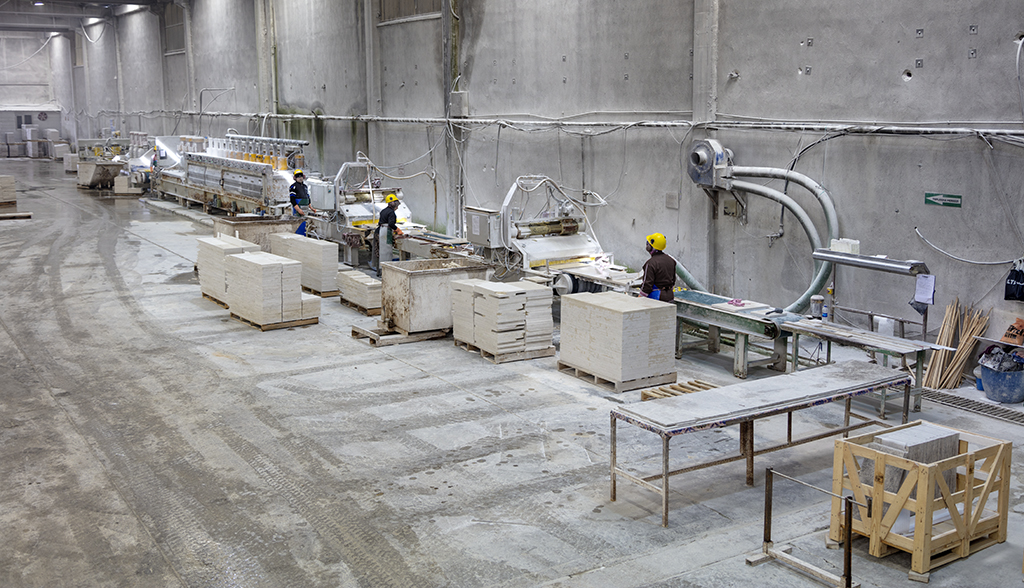 In European architectural and construction projects, natural stone selection is a critical decision. Travertine and Marble are the two most commonly compared natural stones, each offering distinct advantages depending on project requirements.
Marble has a long-standing presence in European architecture. Afyon White Marble, Marmara White Marble, and Burdur Beige Marble are widely used in interior spaces due to their elegance and smooth surface.
Travertine provides a more natural and textured appearance. Classic Light Travertine, Light Mix Travertine, and Silver Travertine are frequently used in both interior and exterior European projects. Travertine performs especially well in outdoor applications.
Usage area is a key factor in European projects. Marble is often chosen for interior floors, walls, and decorative elements, while Travertine is preferred for facades, terraces, and outdoor areas due to its slip-resistant surface.
From a cost perspective, Travertine can be a more economical solution for large-scale European developments. Marble, on the other hand, is typically used as a premium focal material.
Sustainability is another important consideration in Europe. Both Travertine and Marble meet environmental standards and offer long-term durability.
Travertine provides thermal and acoustic benefits due to its porous structure, while Marble offers ease of maintenance and hygiene in interior spaces.
Many European projects combine Travertine with Afyon White Marble or Marmara White Marble to achieve architectural balance.
Marven Stone supplies premium Turkish Travertine and Marble for European projects, offering custom production and reliable delivery.
In conclusion, the choice between Travertine and Marble depends on application area and design goals. Selecting the right natural stone ensures long-term success in European projects.
Contact us:
For expert guidance on Travertine and Marble selection for European projects, contact us today.
info@marvenstone.com