
Technical Design and Application Guide for Natural Stone Walls and Insulation in Luxury Wine Cellars
Your trusted partner for delivering premium natural stones to global markets with excellence and reliability!
Technical Design and Application Guide for Natural Stone Walls and Insulation in Luxury Wine Cellars
Technical Design and Application Guide for Natural Stone Walls and Insulation in Luxury Wine Cellars
Luxury wine cellars require a perfect balance of aesthetic appeal and technical performance. **Natural stone** not only enhances the ambiance but also ensures that wine is stored under ideal conditions. This guide explores how **Turkish natural stones** (marble, travertine, onyx) can be used to achieve thermal insulation, humidity control, and stunning design in wine cellars.
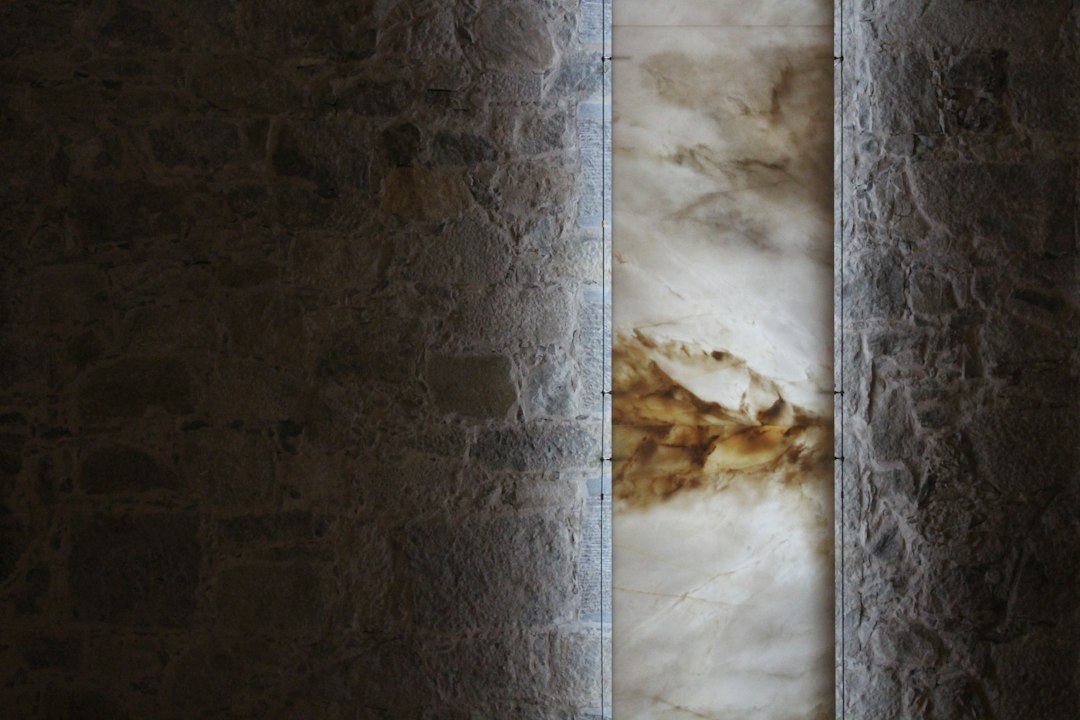
The Role of Natural Stone in Luxury Wine Cellars
In high-end wine storage, natural stones play a dual role: they contribute to the visual elegance of the space while providing critical thermal and acoustic insulation. For instance, **Elazığ Cherry Marble** and **Diana Rose Marble** offer excellent thermal resistance, while **travertine** and **onyx** add a touch of luxury and sophistication.
Thermal Insulation Properties of Natural Stones
Consistent temperature control is vital for preserving wine quality. Natural stones’ thermal conductivity properties help maintain stable temperatures within the cellar. Key examples include:
- Elazığ Cherry Marble: High density and low thermal conductivity make it ideal for maintaining temperature stability.
- Diana Rose Marble: Resistant to humidity and temperature fluctuations, ensuring long-term performance.
- Travertine: While naturally porous, it can be treated to enhance insulation properties.
Humidity Control with Natural Stone Applications
Humidity levels in wine cellars must be carefully managed to prevent corrosion and spoilage. Natural stones’ ability to absorb and release moisture helps maintain optimal conditions. For example:
- Travertine: Naturally absorbs moisture, helping regulate humidity levels.
- Onyx: Durable against humidity changes but may require special coatings in damp environments.
- Dolomite Marble: Highly resistant to temperature and humidity variations.
Technical Application and Project Planning
Successful integration of natural stone in wine cellars depends on precise technical application and project planning. Marven Stone follows these steps for European and international projects:
1. Material Selection and Technical Specifications
Each wine cellar project has unique requirements. For example:
- Small wine cellars: Lightweight and aesthetically pleasing options like **Light Emperador Marble** or **Diana Rose Marble** are preferred.
- Large wine cellars: High-insulation materials such as **Elazığ Cherry Marble** or **Toros Black Marble** are ideal.
- Backlit applications: Semi-transparent materials like **onyx** or **exploded travertine** are used for dramatic visual effects.
2. Insulation Layers and Application Techniques
Enhancing the insulation performance of natural stones involves additional layers. For instance:
- Thermal insulation boards: Applied behind stone panels to reduce thermal conductivity.
- Moisture-resistant coatings: Applied to travertine and marble surfaces to control moisture absorption.
- Acoustic insulation materials: Placed between stone panels to enhance soundproofing.
Natural Stone Supply for European and International Markets
Marven Stone supplies high-quality natural stones for luxury wine cellar projects across Europe. The company tailors solutions to meet specific client needs, such as:
- UK: Use of **Elazığ Cherry Marble** and **Diana Rose Marble** for premium cellars.
- Russia: Combination of **Toros Black Marble** and **travertine** for large-scale projects.
- Germany and France: Balanced use of **Light Emperador Marble** and **exploded travertine** for aesthetic and technical harmony.
Project Supply with Marven Stone
Marven Stone offers comprehensive services for luxury wine cellar projects, including:
- Material selection and technical consulting: Identifying the best natural stones based on client requirements.
- Custom design and production: Tailoring stone solutions to match client specifications.
- Installation and mounting: Ensuring professional application of stone materials.
- Technical support and warranties: Post-project support and quality guarantees.
This guide has explored the technical and aesthetic integration of natural stone in luxury wine cellars. Marven Stone supplies high-quality Turkish natural stone for European and international projects. For more information, contact us at info@marvenstone.com.
FAQs
1. What types of natural stone are used in wine cellars?
Elazığ Cherry Marble, Diana Rose Marble, travertine, and onyx are commonly used. The choice depends on the cellar’s specific needs.
2. Do natural stones provide thermal insulation for wine cellars?
Yes, their high density and low thermal conductivity help maintain stable temperatures. Additional insulation layers can further enhance performance.
3. Does travertine control humidity in wine cellars?
Yes, travertine’s natural moisture absorption helps regulate humidity levels, though special coatings may be needed in damp environments.
4. What are the popular natural stones in the European wine cellar market?
In Europe, **Elazığ Cherry Marble**, **Light Emperador Marble**, and **exploded travertine** are highly favored for their aesthetic and technical properties.
5. Which countries does Marven Stone work with for wine cellar projects?
Marven Stone collaborates with clients in the UK, Russia, Germany, France, and other European countries. We also provide solutions for international projects.
Conclusion
Integrating natural stone into luxury wine cellars offers both aesthetic and technical advantages. Marven Stone supplies high-quality Turkish natural stone for European and international projects. For more details, contact us at info@marvenstone.com.